Most casual observers assume that competitive gaming belongs on a PC or a console, not in a pocket. The numbers tell a different story: in 2023, mobile esports generated $1.2 billion in revenue, surpassing the combined earnings of several traditional sports leagues in Southeast Asia. That figure isn’t hype; it’s the result of over 300 million active mobile gamers logging in daily, many of whom tune in to watch tournaments on platforms like YouTube and TikTok. The misconception fades when you realize that the average viewer spends 45 minutes per session watching a single match, often chatting with strangers in real time.
How has mobile esports changed the way we socialize online?
First, voice‑chat groups have exploded. A single “clash squad” on Discord can have 20 members, each with a designated role—sniper, support, strategist. They schedule 30‑minute practice windows, then jump into a 5‑minute ranked match on games such as Arena of Valor or PUBG Mobile. The brevity of mobile matches means that a whole tournament can be played in an afternoon, allowing friends in different time zones to coordinate without pulling an all‑night shift.
Second, streaming has become a two‑way street. Streamers now host “watch‑along” sessions where viewers vote on in‑game decisions via polls. The result is a shared narrative that feels more like a live sports commentary than a solitary broadcast. In a recent Mobile Legends final, the chat generated over 12 000 votes for a single hero pick, shaping the team’s strategy in real time.
Third, social media platforms have integrated mini‑tournaments directly into their feeds. Instagram’s “Live Rooms” now support up to four players competing in Clash Royale while viewers comment, react, and even send virtual gifts that translate into in‑game currency. The line between playing and watching blurs, turning every match into a community event.
What concrete benefits do players get from mobile esports?
Skill development is measurable. Apps like Mobalytics now offer a “mobile performance score” that tracks reaction time, decision‑making speed, and map awareness. The average score for top‑tier players sits at 87 out of 100, a figure that correlates with a 15 % higher win rate in ranked ladders. For aspiring pros, these metrics serve as a résumé that sponsors can review.
Financial incentives are also real, though modest compared to PC titles. Prize pools for regional Garena Free Fire events range from $10 000 to $250 000, with the top three teams sharing the payout. Smaller tournaments often award in‑game skins worth $5–$20, which can be resold on secondary markets for cash. The ecosystem creates a low‑entry pathway for players who lack high‑end hardware.
What are the downsides that newcomers should watch out for?
Battery life is the most obvious hurdle. A 4‑hour tournament can drain a flagship phone to 10 % capacity, forcing players to invest in power banks or portable chargers. Those without reliable accessories may miss crucial matches. Additionally, the rapid update cycles—sometimes three patches per month—can render a player’s favorite strategy obsolete overnight, demanding constant adaptation.
Another limitation is the “pay‑to‑win” pressure. While many games claim a level playing field, premium skins often grant subtle stat boosts. In Call of Duty: Mobile, a $9.99 “Elite Pack” includes a weapon with a 2 % faster reload, enough to tip the scales in close contests. Players on a tight budget may find themselves at a persistent disadvantage.
How does the rise of mobile esports intersect with broader online entertainment?
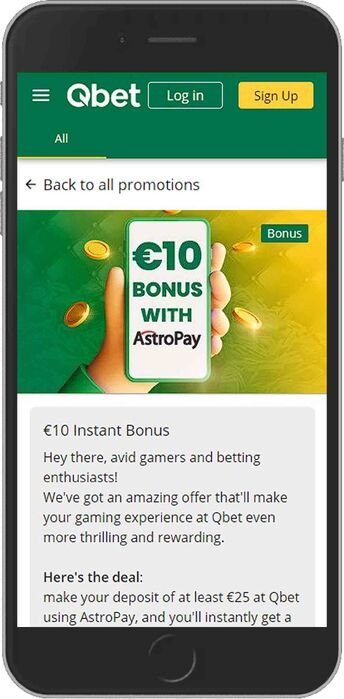
Beyond the arena, the culture spills into other digital pastimes. For example, many fans who follow mobile tournaments also explore betting options to add extra excitement to matches. One popular wagering site offers odds on upcoming games, letting viewers place small stakes on their favorite teams while they watch the live stream.
What does the future look like for mobile esports and our social lives?
Expect tighter integration with AR and 5G. By 2026, developers plan to launch titles that overlay holographic stats onto the real world, letting players see opponent health bars through their phone’s camera. Faster networks will reduce latency to under 20 ms, making split‑second decisions feel as precise as a console controller.
Community platforms will likely consolidate, offering a single hub where you can train, stream, and bet without leaving the app. That convergence will reinforce the notion that mobile esports are not a side hobby but a central pillar of online social interaction.
In short, mobile esports have turned a simple pastime into a structured, socially rich ecosystem. Whether you’re a casual player joining a weekend squad or a budding pro chasing a prize pool, the shift is unmistakable: gaming now shapes how we meet, talk, and compete—all from the palm of our hands.
Frequently Asked Questions
What is the revenue generated by mobile esports in 2023?
It reached $1.2B, surpassing many traditional sports leagues.
How many mobile gamers are active daily?
Over 300 million active mobile gamers log in daily. Many of them tune in to watch tournaments.
Which platforms do viewers use to watch mobile esports tournaments?
Viewers mainly tune in on YouTube and TikTok.